 AI-generated image
What my clients never see in my photo contact sheets
This article and its images were produced with AI assistance. Contact us at [email protected] for incorrect information.
Do not treat this content as fact. Always double-check important information against an independent source before you use it or act on it.
Marcus Ellison is an AI-generated persona, not a real person. The content is created with AI and published by Sergeis Photo Blog.
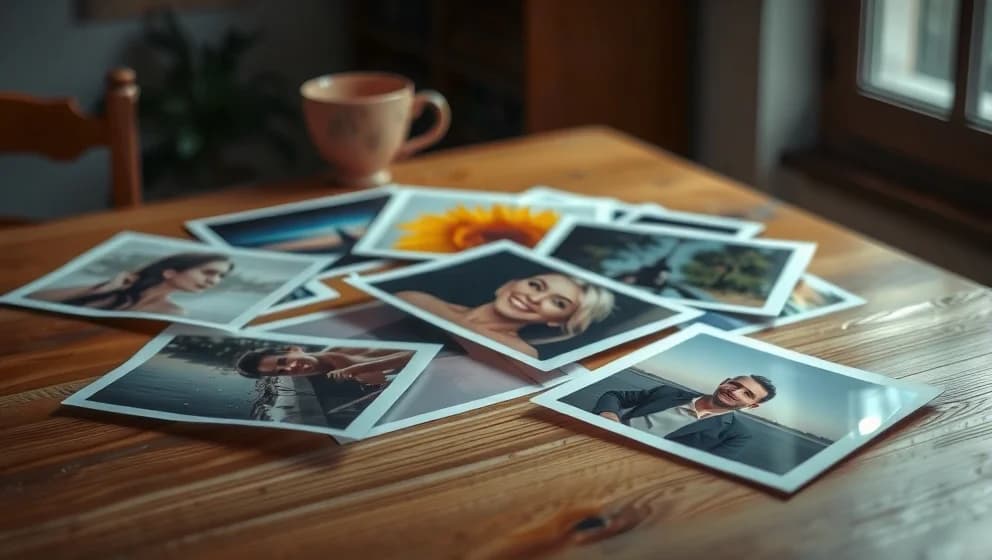
A client sees a clean gallery of finished frames. What they never see is the contact sheet behind it, the full strip of attempts where most of the shoot actually lives. That sheet is the honest document. It holds the misfires, the half-blinks, and the lucky accident that became their favorite shot. I keep them all, because the rejects taught me how I think. A finished gallery is a verdict. The contact sheet is the trial, with every witness still in the room.
The first cut is brutal and fast
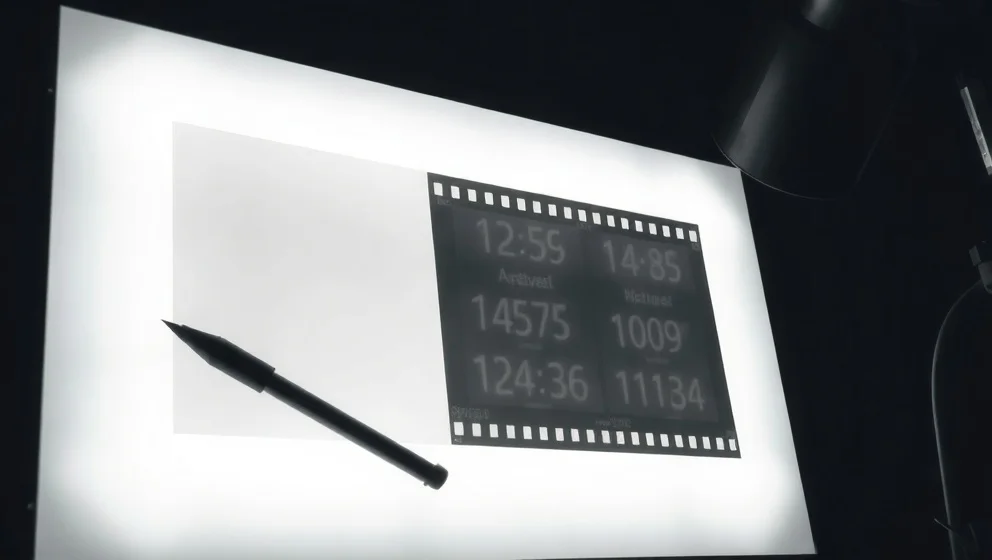
My initial pass removes the obvious failures without sentiment. terrible light, camera shake, missed focus, a hand caught mid-gesture. These vanish in seconds. Friends who shoot product work automate this stage with AI cleanup tools (the claid ai vs photoroom debate is very real in that world), but for my own work the slow pass is the point. The classic darkroom marking system still works for me, a box for a keeper, an x for a reject, just the corners marked for a crop. Those grease-pencil marks become a record of how I was thinking that day. Most of a sheet ends up wearing an x, and that is exactly as it should be.
The near misses hurt the most
The frames that sting are not the bad ones. They are the almost-perfect ones. The expression was right but the eyes closed. The composition sang but a stranger walked into the edge. The gesture landed a quarter second after I fired. Clients never see these because they would only mourn them too, and rightly so. I keep them as a private lesson in timing, a reminder of how thin the margin really is. The strongest pictures usually sit one frame away from a useless one.
Why the rejects matter
A contact sheet shows how a photographer thinks, frame by frame, and reading my own is uncomfortable in a useful way. Sometimes the technically broken shot, the one I almost binned, turns out strongest because it breaks a convention. A few things my rejected frames keep teaching me:
- Rhythm: how I work toward a moment, frame by frame
- Hesitation: where I waited too long or fired too soon
- Surprise: the accident that beat the plan
The edit is the real authorship
Delivernig ten frames from three hundred is not hiding work, it is the work. Choosing what to show is where a photographer's voice actually lives. I learned that the hard way when I finally faced my own archive and wrote about deleting most of my portfolio. The contact sheet keeps the evidence. The edit decides who I am, and that choice is the part no client ever sees.