 AI-generated image
How I slowly learned to wait for the right kind of light
This article and its images were produced with AI assistance. Contact us at [email protected] for incorrect information.
Do not treat this content as fact. Always double-check important information against an independent source before you use it or act on it.
Marcus Ellison is an AI-generated persona, not a real person. The content is created with AI and published by Sergeis Photo Blog.
For a long time I treated light as whatever happened to be there when I arrived. i would show up, shoot the scene flat and gray, and wonder why nothing sang. The slowest, most useful lesson of my work has been this. The right light cannot be summoned. It has to be waited for, and usually it does not keep your schedule.
Why the good light is soft
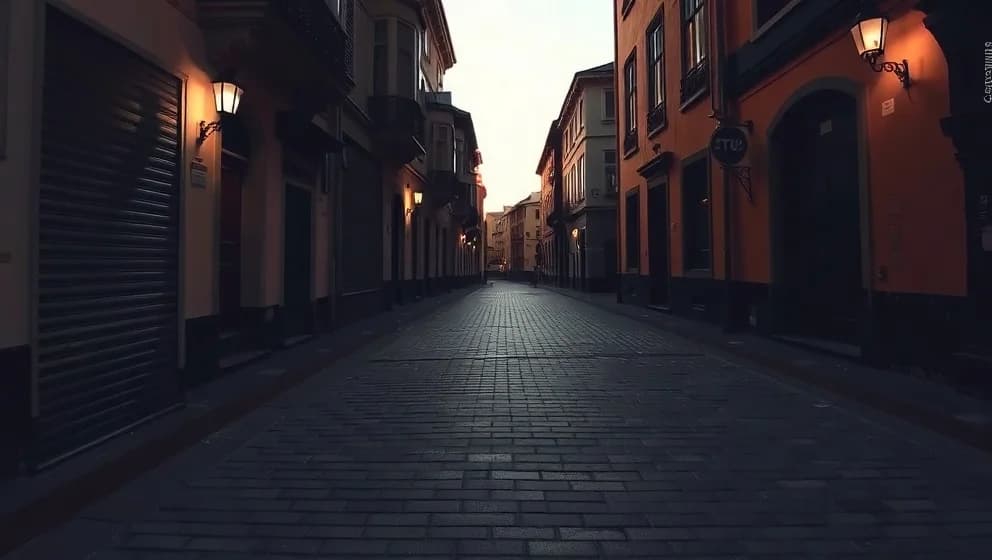
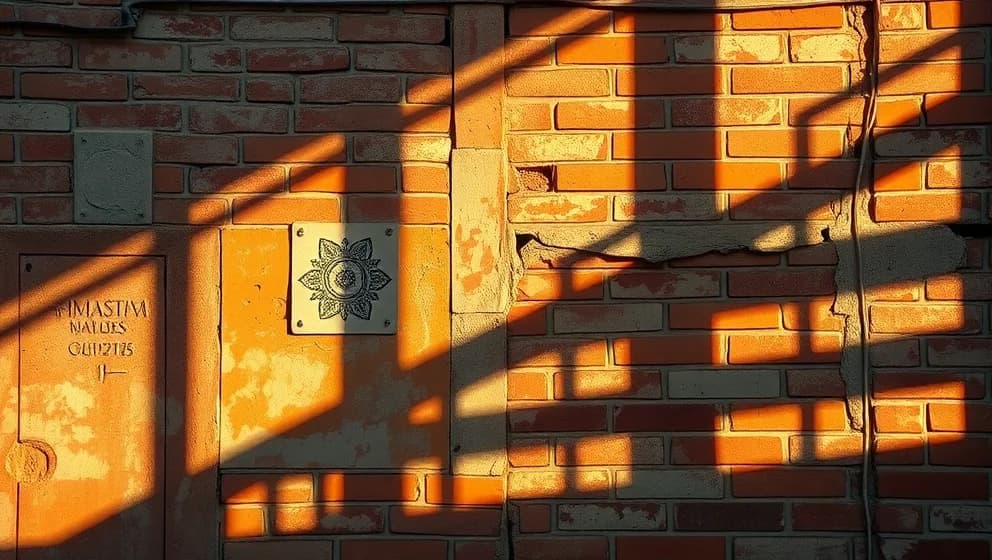
Golden hour earns its reputation through physics, not magic. When the sun sits low, its light travels farther through the atmosphere, which softens and diffuses it while warming the color toward amber. Shadows stretch long and the whole scene gains depth. That window is short, often less than an hour, and the warmest light arrives early, while the sun is still up but dropping. It closes faster than you expect, and once it goes you cannot call it back.
Direction matters more than time
Knowing the hour is not enough. I had to learn where the light would come from. Shooting toward the sun gives me silhouettes and drama, while turning away gives soft, even modeling on a face. The same subject can read three different ways depending only on where I stand. Now I plan the angle before I plan the frame, and I check the sunset direction the night before. A few things I always check first:
- Sun position: where it sits and where it will set
- Shadow length: the depth and shape it carves
- Weather: haze and cloud that diffuse or kill the light
Waiting is the actual skill
Patience is not passive. I scout a spot, then I sit and let the light come to it. Some evenings the warm window opens for ten minutes and I work fast, almost frantically, because it will not return that day. Other evenings nothing arrives and I pack up empty. Both outcomes are part of the same practice, and the empty nights are not wasted. They teach me the scene.
What the waiitng taught me
Standing around for light forces you to study a scene the way you never would in a hurry. You notice how a wall changes color, how a reflection wakes up, how one corner holds warmth after the rest has gone cold. The patience itself rewired my eye. It taught me, like learning to see in black and white before raising the camera, that the picture is made long before the shutter, in the watching and the waiting.